(Links on this page may be affiliate links. If you purchase through a link, we may earn a commission.)
Education is shifting. Parents and educators are searching for engaging, practical ways to teach not just academics, but also confidence, independence, and real-world know-how. Enter the kitchen. According to Maegan Zelner of Raddish Kids, the kitchen is more than a room for meal prep, it’s a launchpad for lifelong learning and confidence. As she puts it, “Cooking is like the ultimate test… you can answer questions on a worksheet, but what you’re doing by cooking something is actually producing a result.” 03:13
Raddish Kids is a cooking club subscription that encourages kids and families to dive into cooking, baking, and exploring foods from around the world. Sarah McCubbin, a veteran homeschool mom, found the kits unexpectedly transformative in her own family. This approach has resonated with thousands of families and homeschool communities throughout the country.
This article unpacks what makes the Raddish Kids model so powerful, drawing on a deep conversation between Sarah McCubbin and Maegan Zelner. It gives practical insights for parents and educators looking to nurture skill-building, academic integration, and joy through the simple act of cooking together.

From Hands-on Cooking to Meaningful Learning
Cooking with children isn’t just a fun activity, it’s a rich learning experience. With each Raddish Kids kit, families receive:
- Illustrated, wipeable recipe cards with clear, step-by-step visuals
- Three themed recipes per box
- Hands-on kitchen tools sized for kids
- Enrichment activities and conversation starters
- Shopping lists and iron-on patches for achievement
The process puts children in charge, scaffolding their success but also allowing them enough independence to truly shine. For instance, Sarah McCubbin noted how her eight-year-old daughter became “more confident with measuring spoons… checking and double-checking the recipe” and learning attention to detail, math skills, and sequencing. 04:23 Children literally see the results of their work, get instant feedback, and build up a sense of agency.
Sarah McCubbin recounted, “It was really affirming when her older brothers came through to eat what my daughter had made… it just really lit her up.” 02:10 Such moments aren’t just feel-good. They help solidify self-belief and motivation.
Free Month with 6 month Club Purchase!
It’s Not Just Food: Life Skills In Every Step
Beyond delicious meals, cooking fosters executive function: planning, sequencing, organization, and time management. These are skills that often frustrate parents and educators, especially when they seem “missing in middle school or high school.” 13:14 But as Maegan pointed out, building these skills through something enjoyable like cooking is far more effective than battling through checklists or worksheets.
Each Raddish Kids guidebook encourages kids to gather ingredients, prep tools, and follow a logically sequenced process. “[My daughter] goes on a scavenger hunt in the kitchen… she’s getting familiar with our house and where those things are, not just me providing for her,” Maegan explained. 09:18 This approach helps shift children from passive to active learners, nudging them toward real independence.
The kits are intentionally designed for ages four to fourteen, and families can adapt them as needed. Beginners work side by side with parents; more experienced kids can “take this on… and that independence comes in,” Maegan said. 06:45 Sibling options ensure fewer fights over tools and more collaborative learning.
Making Learning Relevant: Math, Science, Geography, and More
A persistent worry among parents is striking the right balance between fun and academic rigor. Maegan is quick to point out that Raddish Kits are not “just enrichment.” On every recipe guide, children find “mini lessons… labeled with a skill or a point of learning,” whether it’s measuring (math), the science behind whipping cream, learning about agriculture and spices, or geography when cooking international foods. 17:00
For example, a chocolate cream pie recipe card explains the science of “fat molecules rubbing together” while whipping cream. As Maegan described, “that in itself is its own science experiment and lesson, baked into this recipe.” 21:13
Unit study and unschooling families will especially appreciate how easy it is to pivot the kitchen experiences into broader explorations. “You could actually have a really nice fall unit study… this one has agriculture, spices, measuring. There’s your math right there,” Sarah McCubbin noticed. 19:55
Enrichment activities might involve making a mandala from lentils to learn about Indian culture, or experimenting with oil and water to discover basic chemistry, all tied to the recipes and the theme of the kit. 22:07
Conversation starter cards in every kit (“table talk cards”) add a social-emotional learning element, making family dinners more engaging and helping kids practice their communication skills.
Building Tradition and Connection as a Club
Where Raddish Kids truly shines is its model as an ongoing club, not a one-off experience. Memberships can last from one to four years across their cooking, baking, and global-eats series, offering new recipes and themes every month.
Routine and tradition are built in. “[It’s] a club… over time your family will make a tradition of it. We get a kit once a month. Here’s what we can expect… the next month is something different,” Maegan explained. 29:13 This helps kids get comfortable with the format, deepening their engagement and independence over successive months. Kids collect badges for their aprons, building a visual record of achievements, a powerful source of pride.
For families separated by distance, grandparents often gift memberships, then “call or FaceTime: What did you make? It’s really a nice piece of connection,” Maegan Zelner said. 32:02 It also makes a perfect holiday or birthday tradition that’s richer than another toy.
Raddish Kits are also flexible for various educational environments. They work in homeschool co-ops, microschools, Girl Scout troops, and clubs, sometimes by cooking together or assigning different family members recipes to try at home and share later. The Global Eats club introduces worldly perspectives, connecting geography, culture, and food: learning “why is there more corn in Mexican dishes… and how geography affects the food.” 28:06
Accessibility and Academic Compatibility
As more states expand Education Savings Accounts (ESA) and similar programs, hands-on materials like Raddish Kits have become increasingly accessible. Many states allow ESA funds or charter school budgets to be used for Raddish memberships. Maegan advised families to check Raddish’s education page or request Raddish become a vendor in their local program. 18:19
Takeaway: Confidence and Connection for Life
The heart of kitchen learning is more than just acquiring a handful of recipes or checking the box for life skills. As Sarah McCubbin observed, “There’s just no price tag on confidence… if you can give it to them.” 34:17
By letting children take the lead in the kitchen, stacking up real successes (and learning through occasional failure), we build lasting confidence, independence, and connection. As Maegan Zelner summed up, “We are learning life skills and academic skills and fine motor skills and all of those great things. And then we get a dinner or a dessert at the end.” 34:51
So if you’re searching for a way to inspire your child, shake up your homeschool routine, or just reconnect as a family, consider the powerful learning found “beyond the schoolhouse”, right in your kitchen.
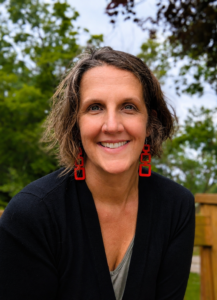
Sarah McCubbin is the founder of Indie Education Network and Indie Education Press and host of the Beyond the Schoolhouse podcast. A mom of nine with nearly two decades of experience navigating homeschool, co-ops, private, public, charter, and other education models, Sarah believes there is no single right way to educate a child.
She writes about homeschooling, independent education, curriculum, education entrepreneurship, and the growing number of ways families and educators are creating learning experiences that fit real kids and real communities.
Through Indie Education Network, Sarah connects families, educators, leaders, and education businesses with the ideas, resources, and people helping shape the future of independent education.
Connect with Sarah:
IndieEducationNetwork.com | Beyond the Schoolhouse Podcast | LinkedIn

Leave a Reply