
Homeschooling is a rewarding, challenging, beautiful journey. But sometimes, behind closed doors or in sidebar conversations, parents quietly worry: Am I doing enough? Could I be unintentionally neglecting my child’s educational needs?
In this honest conversation from Beyond The Schoolhouse, Sarah McCubbin and Melissa Brander of Pocket Homeschool dive deep into the realities of educational neglect in the homeschool world: what it looks like, how it happens, and most importantly, how we can prevent it.
What Are We Really Talking About?
Homeschool neglect isn’t about blaming parents or making sweeping generalizations. As Melissa shares, it’s about recognizing situations where, for one reason or another, children miss out on crucial skills, especially in literacy and math. Maybe a child reaches middle school and still can’t read, but no one seems concerned—or the parent is worried, but well-meaning advice tells them, “Don’t worry, they’ll get it eventually.”
But when does “wait and see” stretch too far? When is the struggle a signal for help, not just more time?
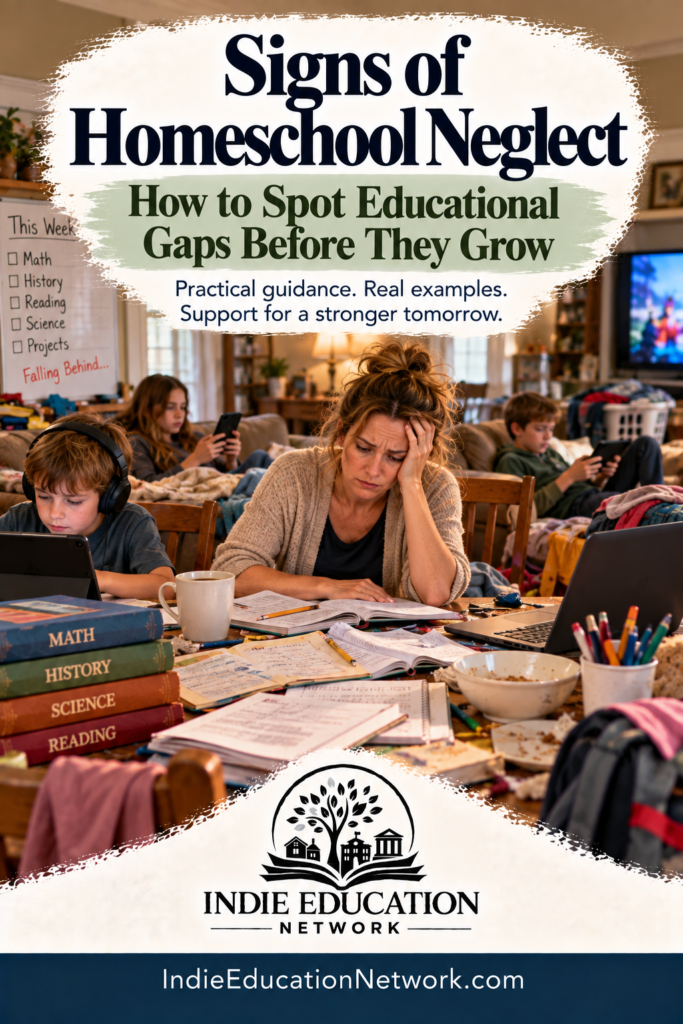
How It Happens—Even When We Mean Well
Educational neglect rarely comes from indifference. More often, Sarah and Melissa see it evolve quietly:
- Busy homes—with many kids or life upheavals, a parent’s attention is stretched thin.
- Misplaced reassurance—instead of practical help, parents may hear only “don’t worry.”
- Advice rooted in “vibes”—online and in person, the current trends may tell you to trust the process, even if your gut says something’s wrong.
- Learning challenges going unrecognized—struggles that could point to dyslexia, dyscalculia, or other learning differences get waved off with “just wait.”
“I would say most parents don’t set out to educationally neglect their children,” Melissa reminds us. But sometimes, between bad advice, unclear benchmarks, and the overwhelming responsibility, gaps grow larger before anyone notices.
Know the Signs
Sarah suggests a simple rule of thumb: If your child isn’t reading basics by third grade, it’s time to consider an evaluation. Kids feel it when they can’t keep up. Their confidence takes a hit, and they start to internalize shame.
Left unchecked, these experiences follow them into adulthood—a reality too many neurodivergent women and men can relate to, decades later.
Why Don’t We Speak Up?
In a community built on trust and freedom, it feels risky to voice concerns. Sarah admits: “I would rather say the right thing for the right reasons and somebody be uncomfortable.” Many families have come back later to thank her for creating that uncomfortable moment.
But it’s delicate. When a mom confides her worries, don’t brush her off. Instead, validate her concerns and offer concrete resources—whether it’s guidance for learning disabilities, advice on local testing, or just a listening ear.
The Perils of “My Kid Doesn’t Need Algebra” Thinking
When kids push back, parents may retreat: “Maybe he just isn’t wired for math. After all, not everyone uses algebra!” But that story quickly becomes a self-fulfilling prophecy, closing doors before the child even knows what’s possible.
Melissa’s perspective? Don’t limit your child based on today’s interests and struggles. Keep options open so they can choose their future—don’t choose for them by omission.
How Social Media Influences Mindsets
Trend cycles—like unschooling or “nature schooling”—can be beautiful when matched to a child’s needs. But when teaching philosophy becomes a shield against action, it can enable neglect.
Ask yourself: Are you making choices because they’re right for your family, or just because they’re popular online?
What Helps: Intentionality & Community
Homeschooling done well is never “set and forget.” It is intentional—regular reassessment, reverse engineering your child’s goals, and being involved, even with open-and-go or online programs.
- Ask for honest feedback from trusted friends who know your child.
- Tap local resources—statewide homeschool groups, local special needs organizations, or experienced homeschoolers.
- Don’t give up—if you hit a dead end with one professional, find another who respects your homeschool journey.
- Stay open to advice—even if it stings at first. Sometimes the right path looks unfamiliar or even uncomfortable, but it leads to breakthroughs for your child.
The Real Mission: Advocating for Our Kids
Defending homeschooling is not our job. Advocating for our kids is. Surround yourself with people who are for you—those who give honest, caring feedback and walk with you through the hard parts.
Using online or open-and-go resources is “not an opportunity for you, the parent, to check out of the process,” Melissa says. “You’re the parent, you’re the teacher, and you’re the parent-teacher association.”
Final Thoughts
If you’re worried you’re falling short—it means you care. Reject shame, embrace support, and don’t let pride or fear keep you from seeking help or making course corrections.
This is a conversation every homeschool community needs to have both privately and out loud. If you need encouragement or want to continue this conversation, reach out to Melissa or Sarah. We’re in this together, committed to what matters most: our children’s learning and their future.
Connect With Melissa
Learn more about Melissa Brander and Pocket Homeschool:
- Website: pockethomeschool.com
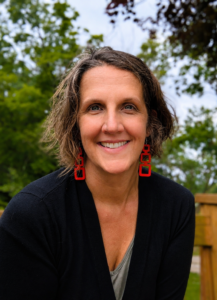
Sarah McCubbin is the founder of Indie Education Network and Indie Education Press and host of the Beyond the Schoolhouse podcast. A mom of nine with nearly two decades of experience navigating homeschool, co-ops, private, public, charter, and other education models, Sarah believes there is no single right way to educate a child.
She writes about homeschooling, independent education, curriculum, education entrepreneurship, and the growing number of ways families and educators are creating learning experiences that fit real kids and real communities.
Through Indie Education Network, Sarah connects families, educators, leaders, and education businesses with the ideas, resources, and people helping shape the future of independent education.
Connect with Sarah:
IndieEducationNetwork.com | Beyond the Schoolhouse Podcast | LinkedIn

Leave a Reply