Every few years, someone teaches recorder at our homeschool co-op, and I tell my kids the same thing. Yes, you can take recorder. You’ll be practicing outside.
Then some of my kids spent a year at a Waldorf school, where they played wooden recorders. Their teacher had a larger one with a lower, warmer sound. I remember thinking, Oh, that’s what a recorder is supposed to sound like. A fifth grader learning to play was still a little painful to listen to, but I finally understood why someone would want to hear a recorder on purpose.
I told that story to my friend Gena Mayo on Beyond the Schoolhouse. Gena is a music educator, a homeschool mom of eight, and the creator of Music in Our Homeschool. I wanted to ask her how families like mine could make music a regular part of the week. After 19 years of homeschooling, I still tended to picture music education as piano lessons. With nine kids, I’d start doing the math on what lessons would cost and how much of my life I’d spend sitting in somebody’s driveway. It was easy to put music off for another year.
Watch my full conversation with Gena Mayo below.
What can you do with 20 minutes?
When Gena offered to teach music at her homeschool co-op, she was given 20 minutes a week with each age group. She used that time to introduce students to a composer or a style of music and let them hear it for themselves. Those co-op lessons eventually became online courses that parents could open and use with their kids. As Gena told me, many of the moms are learning right alongside their children.
I liked the idea of slipping music into something we already do. If we’re studying a time period in history, we can listen to music from that era and talk about what we hear. With younger kids, it can be as simple as singing together or tapping a steady beat. Gena even teaches classical music with old cartoons. We both laughed about how much classical music we heard growing up without realizing it was classical music.
And if your child is humming a song from a video game? You can start there, too. Ask who wrote it, listen for the instruments, or talk about how the music changes when something exciting happens on screen. You already have their attention, which is half the battle some days.
When the usual approach doesn’t fit your child
One of my sons was so sensitive to sound when he was younger that he’d cover his ears and scream when we tried to play music. As he got older, I noticed how much more willing he was to explore something unfamiliar when I connected it to an interest he already had, like math or science.
When I told Gena about him, she suggested that a child like my son might enjoy looking at the patterns on a piano keyboard before even playing a note. She also talked about experimenting with different instruments, styles, and volumes. I wish I’d thought to ask what part of music he might enjoy. At the time, I mostly saw him covering his ears and figured music just wasn’t his thing.
We talked about cost, too, because that can shape what’s realistic for a family. My kids have taken both group and private violin lessons. They progressed faster with individual instruction, but I also felt more pressure to make sure they practiced when I was paying for a private lesson every week. A group class can be a good place to see whether a child enjoys an instrument before you make that commitment.
What kids take with them
When I asked Gena what she loves most about teaching music, she said it’s hearing students finally sing together in harmony. That got us talking about what it takes for a kid to stand in front of people and use their voice. It reminded me of what I tell my own kids after they’ve done something that scared them. “Look at that. You went up there, you did the thing, and you didn’t die.” The next time, they have that experience to draw on.
I also asked whether Gena’s children still use music after homeschooling. Some help with sound for their church worship team. One plays music with his uncles. One of her daughters joined a dance class. I loved hearing where music showed up in their lives once they got to decide for themselves what they wanted to do with it.
Start with 15 minutes this week
Toward the end of our conversation, I asked Gena what she’d tell a parent who wanted to do one thing today. Her answer was to pick one free 15-minute lesson and try it with your kids. If you already gather for morning time, that’s an easy place to put it. You can pick a lesson that goes with what you’re studying or let your kids choose whatever sounds fun. Explore the free lessons at Music in Our Homeschool.
If you’d like help choosing, look for Your Personalized Music and Fine Arts Path at the top of the free lesson pages. Gena will email suggestions based on what you tell her about your family.
I can find 15 minutes. And if my kids pick the recorder, they already know where to practice.
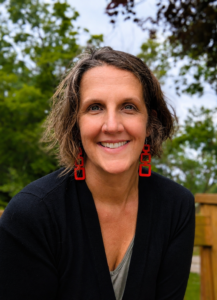
Sarah McCubbin is the founder of Indie Education Network and Indie Education Press and host of the Beyond the Schoolhouse podcast. A mom of nine with nearly two decades of experience navigating homeschool, co-ops, private, public, charter, and other education models, Sarah believes there is no single right way to educate a child.
She writes about homeschooling, independent education, curriculum, education entrepreneurship, and the growing number of ways families and educators are creating learning experiences that fit real kids and real communities.
Through Indie Education Network, Sarah connects families, educators, leaders, and education businesses with the ideas, resources, and people helping shape the future of independent education.
Connect with Sarah:
IndieEducationNetwork.com | Beyond the Schoolhouse Podcast | LinkedIn

Leave a Reply